Click here to watch her clip on Instagram.
Ms. F.Gh., 58 years old, whose diabetes was diagnosed 18 years ago, and who has been injecting insulin since 2017 (1396). She joined the Ketonia medical commission on 1 Mehr 1401 (September 2022); the patient's history was as follows:
-
- The blood sugar she measures at home is always above 200.
-
- In the last 2 months she gained weight, going from 76 kg to about 83 kg.
-
- She took numerous diets repeatedly. After her last diet she developed hair loss, which still continues.
-
- She is sensitive to and worried about her sagging skin.
-
- Because of arthrosis and knee pain she cannot walk and has stopped exercising.
-
- Despite taking losartan regularly, her blood pressure is mostly 15.
-
- For 2 to 3 years she has had nighttime urination.
-
- She has iron deficiency and severe hair loss.
-
- She generally often has symptoms of hypoglycemia. By the time she eats breakfast and injects insulin, one or two hours later her feet start trembling and she becomes hungry. In her own view, this is the cause of her obesity.
-
- Due to diabetes, her gums were previously infected, and she stated that she has lost teeth.
-
- She injects insulin: Novomix insulin 3 times a day — 14 units in the morning, 16 units at noon, and 16 units at night — and Lantus insulin once: 46 units at night.
-
- On weekends, when her activity increases, she usually experiences low blood sugar.
-
- Over these years her vision has decreased and she sees blurry.
-
- Her feet burn at night and she feels pain.
-
- Chronic constipation — she usually has a bowel movement only once a day.
-
- The patient's medications at the start of treatment:
-
- ü 90 units of insulin (Novomix insulin 3 times a day: 14 units in the morning, 16 units at noon, and 16 units at night — and Lantus insulin once: 46 units at night)
-
- Atorvastatin 40 mg, once a day
-
- Losartan 25, once a day
-
- Rosuvastatin 20 mg, once a day
-
- Synripa 5/1000, once a day
-
- Aspirin 80, once a day
-
- Meloxicam, once a day
-
- Vitamin D, one to two tablets monthly
-
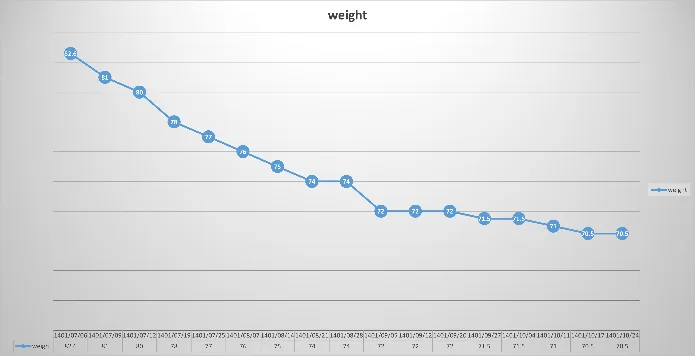
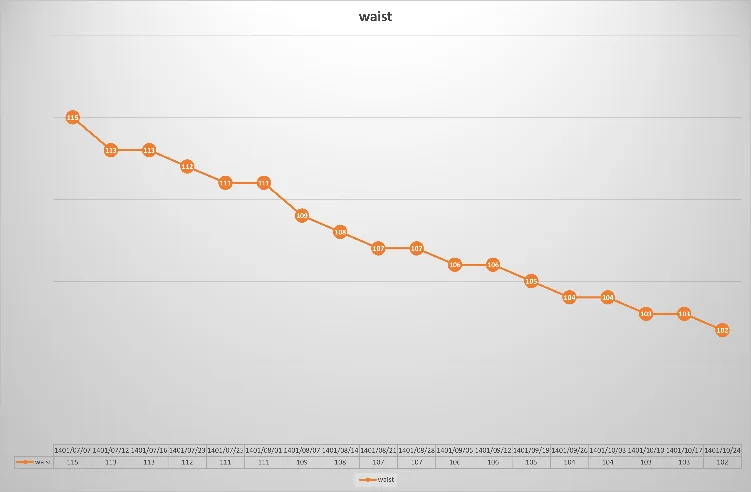
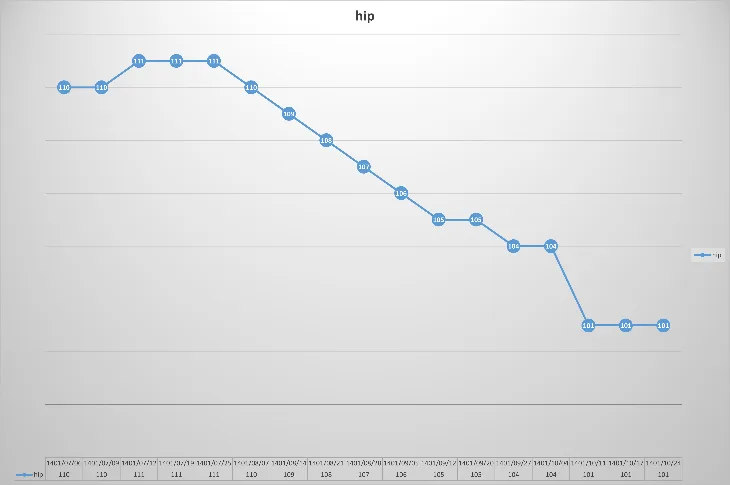
- At the commission, her weight was recorded as 82.6 kg, height 156 cm, BMI 34, waist 108.5 cm, and hip 110 cm.
-
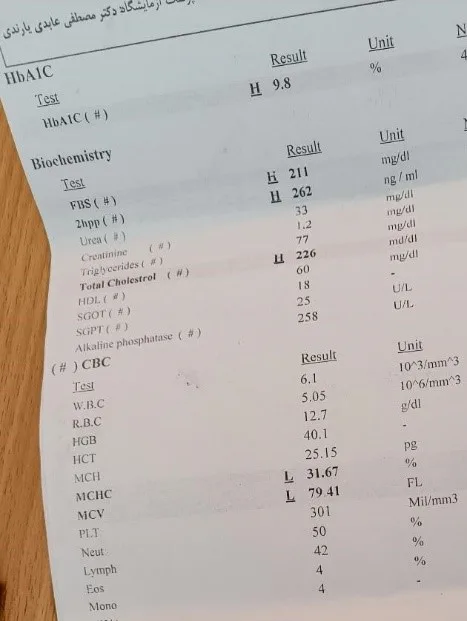
- In the blood test of 12-6-1401 (September 2022), the patient's fasting glucose was 211, 2-hour 262, and hemoglobin A1c (HbA1C) 9.8, total cholesterol 226, and cholesterol HDL 60 were recorded.
With the explanations given at the Ketonia medical commission, the patient was very interested in joining the Ketonia program. The Ketonia team therefore began its training and programs for correcting the patient's lifestyle (nutrition, sleep, exercise, mental health, and medical care) right away.
After about 5 weeks of the Ketonia team's lifestyle training and the patient's good cooperation, considering her average fasting and 2-hour glucose and appropriate weight loss, the Ketonia medical commission decided to stop the insulin and replace it with 2 tablets of Synripa at noon and night.
-
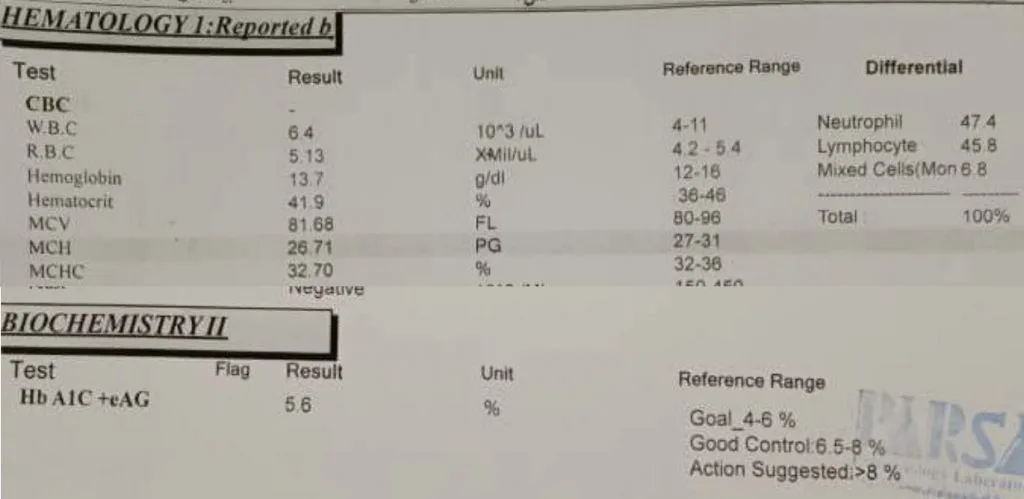
- After about 16 weeks of recovery and the Ketonia team's lifestyle training, her average fasting glucose was 114, 2-hour glucose 134 (a 128-point decrease), hemoglobin A1c (HbA1C) 5.6 (a 4.2% decrease), total cholesterol 209 (a 17-point decrease), and cholesterol HDL 82 (a 22-point improvement), weight 70.5 (a 12.1 kg decrease), waist 96 (a 12.5 cm decrease), hip 101 (a 9 cm decrease); her anemia-related factors were also recorded within the normal range, indicating significant changes in her laboratory and anthropometric indicators. Based on the above results and the Ketonia medical commission's diagnosis, the patient now receives only one daily dose of Synripa.
-
- The patient's current medications:
-
- Synripa 5/1000 one tablet at night
-
- Rosuvastatin 20 one tablet daily
-
- Aspirin 80 one tablet
-
- Meloxicam — one tablet
-
- According to the survey, the patient said that her previous diets had no training component, so she struggled to follow them and did not really know what had to be observed. She also had low blood sugar after meals and insulin injections and constantly felt hungry, but during these 4 months, with the Ketonia team's diet and training, she has not had this problem and her sugars are under control. She has also had none of the side effects of her previous diets, especially hair loss and dry skin. Her knee pain has decreased; she now walks daily and does 20 minutes of anaerobic exercise in the morning and 20 in the evening. In addition, with much of the training she has improved her digestive problems.
-
- She also said that since childhood she always had a big appetite and could not control it. Because of this she entered a yo-yo cycle (large weight swings): very soon after losing weight, overeating would come back and she would regain weight. Insulin and glucose fluctuations made this condition worse. But now, with Ketonia's diet and training, this problem has largely been resolved.
-
- The patient is now following the Ketonia program and has been able to greatly improve her metabolic syndrome and diabetes with the team's support, control her blood pressure, and experience a 12 kg weight loss; with improvements in her laboratory and anthropometric indicators, after roughly 6 years of insulin injections, she has succeeded in stopping it while at the same time controlling her diabetes and metabolic syndrome through lifestyle and nutrition correction, and has been spared many of the complications of insulin injections.