Mrs. Hori's Diabetes Success Story

Mrs. H.Z., 58 years old, with a history of type 2 diabetes, joined Ketonia's medical commission on Mehr 7, 1401 (September 29, 2022). Her case history was as follows:
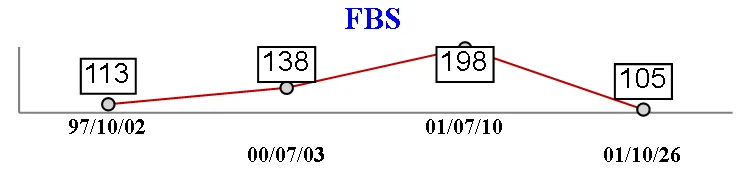
- In tests from 1397 (2018–2019), her fasting glucose was 113 (prediabetic range), and in 1400 (2021–2022) a fasting glucose of 138 and a diagnosis of metabolic syndrome were recorded, but she took no medication.
- She has a history of raw vegan dieting and water therapy, and for a while followed an oat-soup diet with zucchini, carrots, and fenugreek leaves, which reduced some of her symptoms and her high blood sugar, but she grew tired of the diet and did not continue it.
- She has emotional overeating episodes and turns mostly to sweets when upset.
- She had been diagnosed with fibromyalgia and suffers from its pain.
- She carries the HBV virus but takes no medication for it.
- She previously had severe headaches.
- A year and a half ago she had grade 2 fatty liver with elevated liver enzymes.
- She has experienced severe excessive thirst and urination.
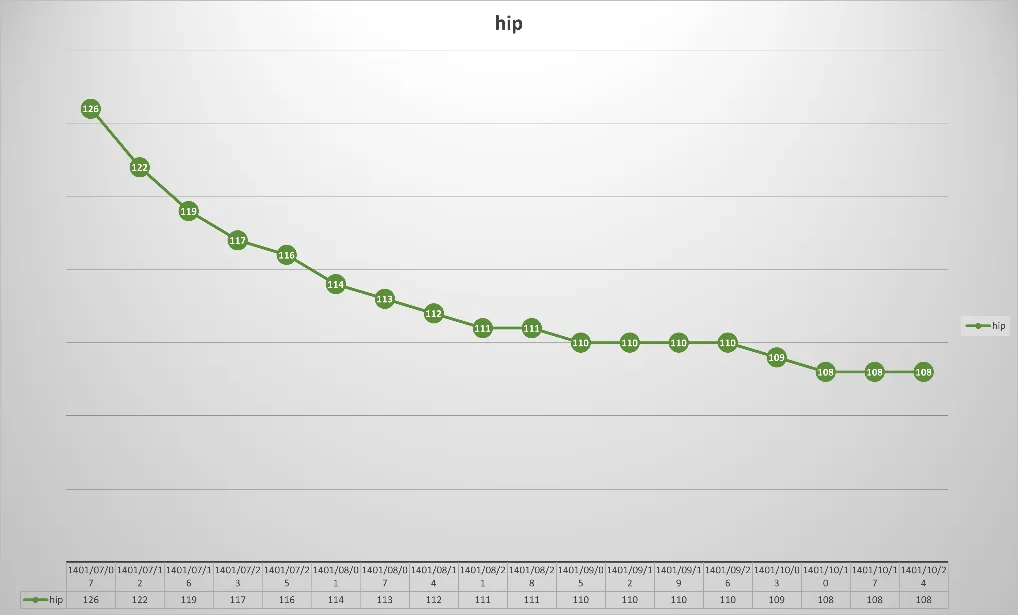
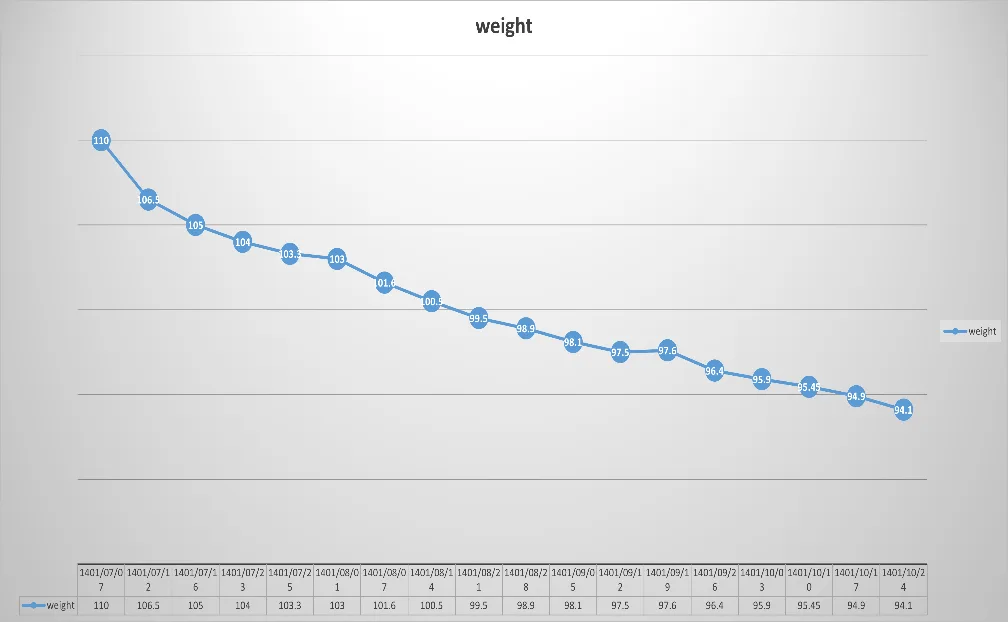
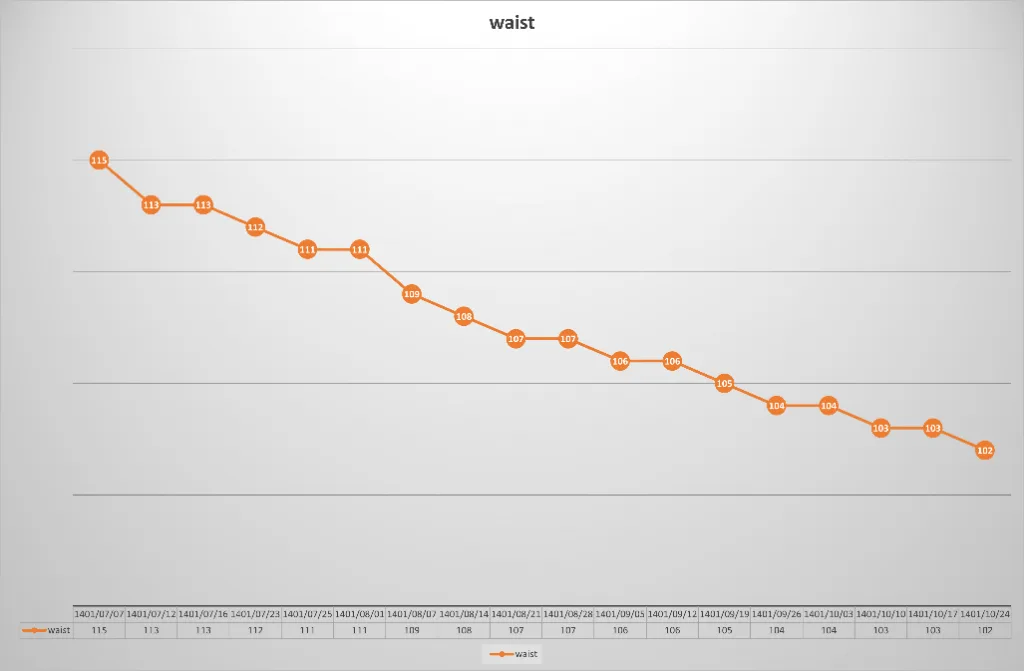
At the time of the commission, her weight was recorded as 110 kg, height 168 cm, BMI 39, waist circumference 115 cm, and hip circumference 126 cm.
The patient insisted that with the Ketonia team's guidance she could improve her metabolic syndrome markers through lifestyle correction, and she refused to take medication.
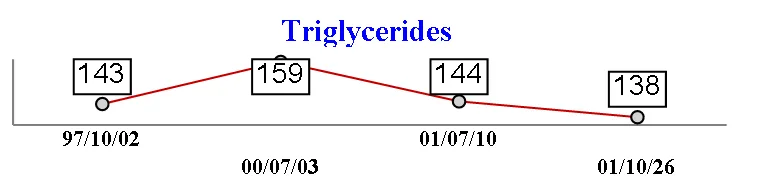
Ketonia's commission team ordered new lab tests for the patient. The results showed a fasting glucose of 198, a two-hour glucose of 405, and HbA1c (HbA1C) 11.7 with an average blood sugar of 289; total cholesterol 217, and cholesterol HDL: 49 and cholesterol LDL: 127, triglycerides: 144, AST: 40 and ALT: 31, CRP: 10.2 were recorded. A diagnosis of “type 2 diabetes” was made and diabetes medications were prescribed, but the patient chose of her own accord not to take the medications and said she wished to control her blood sugar through lifestyle correction alone.
With the explanations given in Ketonia's medical commission, the patient was very eager to join the Ketonia program. The Ketonia team therefore started its lifestyle-correction education and programs (nutrition, sleep, exercise, mental health, and medical care) for the patient right away.
The treatment goals set for the patient were as follows:
- Stabilizing blood sugar and preventing sugar fluctuations
- Slow, healthy weight loss to move out of obesity and overweight, followed by improved and reversed diabetes
- Lifestyle correction
After one week of treatment and the Ketonia team's education, the patient reported reduced bodily pain (especially the fibromyalgia pain), improved focus and attention, clearer vision, reduced appetite, a stronger sense of smell, and greater cheerfulness, and she was very happy with her treatment and lifestyle correction. After two weeks she also said: she is very happy with the diet and felt no hunger at all on it. Her physical strength has returned, her energy is excellent, and her activities have improved. It's as if she has become more alert. She exercises regularly and feels so well that she has started spring-cleaning the house (something previously very hard and nearly impossible).
After roughly 16 weeks of treatment and the Ketonia team's lifestyle education, her fasting glucose was 105, HbA1c (HbA1C) 5.9 (a 5.8% drop), average blood sugar 123, total cholesterol 240, and cholesterol HDL: 54 and cholesterol LDL: 135, triglycerides: 138, AST: 22 and ALT: 17, CRP: 2.5, her weight was recorded as 94 kg (a 16 kg loss), waist 102 cm (a 13 cm loss), and hip 108 cm (an 18 cm loss) — all indicating significant changes in the patient's laboratory and anthropometric markers.
According to the patient, in previous years she couldn't do anything during the cold season because of fibromyalgia pain, but now, despite the cold weather, she is about 70% better than last year.
The patient is now following the Ketonia program and takes no medication at all. With the Ketonia team's support she has reversed her metabolic syndrome and diabetes, controlled her emotional overeating, and achieved a 16 kg weight loss; with improved laboratory and anthropometric markers she has reduced many of her high-blood-sugar symptoms and complications, made fundamental changes toward a healthy lifestyle, and lowered her risk of many chronic diseases — especially heart disease — a change also evident in her CRP readings over the course of treatment.